

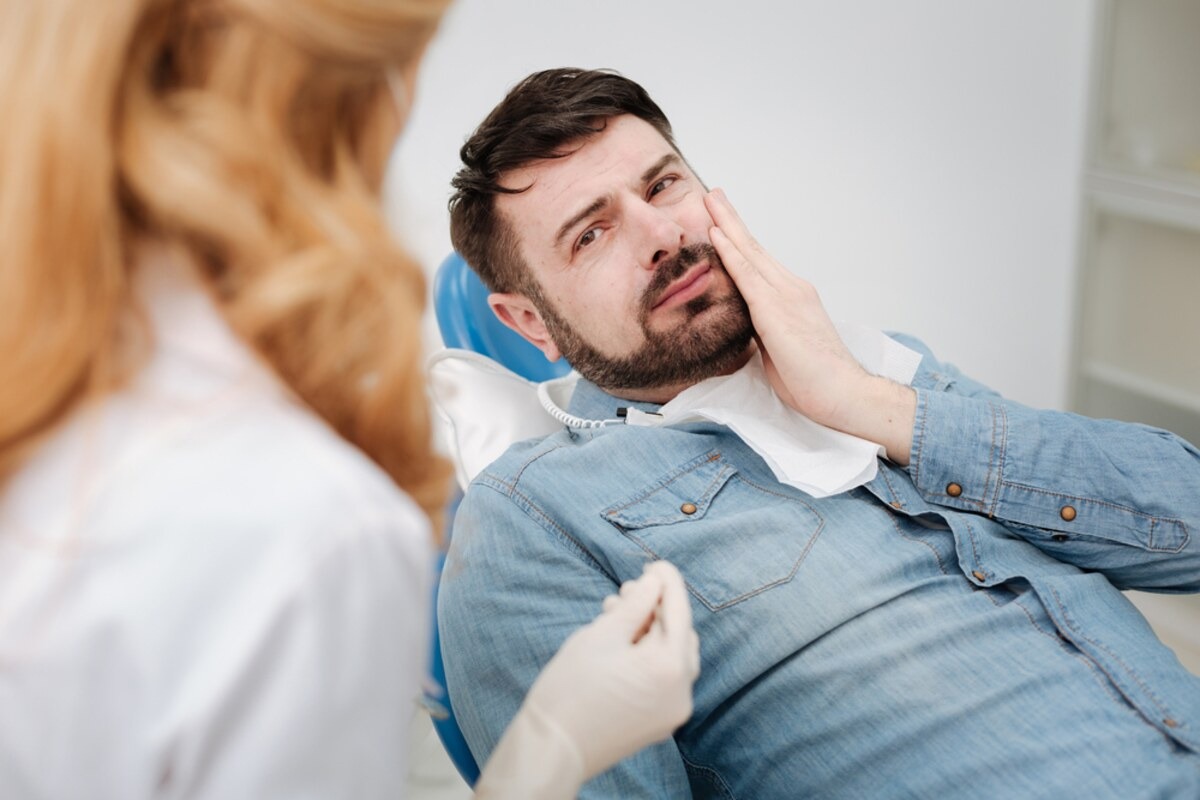
Pain when biting or chewing can make eating difficult. The pain may feel sharp, dull, or like pressure on one tooth. It may happen only when you eat or continue after you stop chewing. Possible causes include a cavity, a cracked tooth, gum problems, or a filling that no longer fits well. A dental clinic in Nanaimo can check your teeth, find the cause, and suggest the right treatment.
When the pain starts and where you feel it can help the dentist find the cause, but these signs do not always tell the full story. For example, pain when biting may mean your tooth is cracked, while pain with swelling may be a sign of infection. Do not ignore tooth pain that keeps coming back, even if it goes away for a while. Getting treatment early may help stop more damage and make the problem easier to fix.
What Causes Tooth Pain When Biting Down?
Pain when chewing can happen if a tooth, its root, or the gums are sore or damaged. Common causes include:
- Tooth decay: A cavity can reach the sensitive part inside the tooth and cause pain when you chew.
- A cracked tooth: A crack may cause sharp pain when biting or releasing pressure.
- A loose or damaged filling: A filling that has worn down or become damaged may make chewing uncomfortable.
- Gum infection: Swollen or infected gums around a tooth can cause tenderness when pressure is applied.
- An infection near the root: An infection may cause pain, swelling, or tenderness when biting.
- A recent dental treatment: Some tenderness can occur after treatment, but severe or worsening pain should be checked.
A dental clinic near you can examine the tooth and surrounding gums to find the cause.
Why Does the Tooth Hurt Only When You Bite?
If a tooth hurts only when you bite down, the problem may involve the tooth’s structure or the tissues supporting it. Pressure from chewing can trigger pain in a cracked tooth, a tooth with deep decay, or a tooth with inflammation around its root.
Pay attention to when the pain starts:
- Pain when you bite down may mean that the tooth or nearby gums are sore or irritated.
- Pain when you release your bite can sometimes occur with a crack.
- Pain with hot or cold foods may be linked to decay or irritation inside the tooth.
- Pain with swollen gums may point to a gum problem or infection.
These patterns are not enough to diagnose the problem. A dental examination may include checking your bite, testing the tooth’s response, and taking X-rays when needed.
How Is the Cause Treated?
Treatment depends on what is causing the pain and how much damage has occurred.
- For a cavity: A filling may repair the damaged area. Deeper decay may require additional treatment.
- For a cracked tooth: A crown may protect the tooth if enough healthy structure remains. A severe crack may make the tooth impossible to save.
- For an infected tooth: Root canal treatment may be needed to remove infected tissue and help keep the tooth.
- For gum problems, cleaning or other gum treatments may be recommended, depending on the cause.
- For a damaged filling: The filling may need to be repaired or replaced.
If tooth pain when biting persists or worsens, arrange an examination instead of relying on home care alone.
What Can You Do Before Your Appointment?
A few simple steps may help reduce discomfort while waiting for dental care:
- Chew on the opposite side of your mouth.
- Choose soft foods that do not require much chewing.
- Avoid very hard foods and anything that triggers pain.
- Brush gently and keep the area clean.
- Do not place aspirin directly on the tooth or gums.
- Avoid trying to repair a cracked tooth or loose filling yourself.
Seek urgent dental care if you develop facial swelling, fever, or worsening pain. Trouble breathing or swallowing requires emergency medical care.
Get Clarity on Your Tooth Pain and Your Treatment Options!
Chewing should not leave you guessing about the cause of your discomfort. Uplands Dental Clinic can examine the affected tooth, check for signs of damage or infection, and explain the care that may help restore comfort. Whether the issue involves a cavity, a crack, or another dental concern, an early assessment can help guide the next steps. Book your appointment with Uplands Dental Clinic to discuss your symptoms and find a suitable way forward for your dental health.
FAQs
Can a tooth hurt when biting even without a cavity?
Yes. A cracked tooth, gum problem, damaged filling, or swelling around the tooth root can cause pain even without a cavity.
Why does my tooth hurt when I stop biting?
If your tooth hurts when you release your bite, it may be cracked. A dentist can examine your tooth to determine what is causing the pain.
Can tooth pain when chewing go away on its own?
The pain may settle temporarily, but the cause may remain. Arrange a dental assessment if the pain continues or returns.
Should I stop chewing on the painful tooth?
Yes. Avoid putting pressure on it until it has been checked. Choose softer foods and chew on the other side to reduce discomfort.