

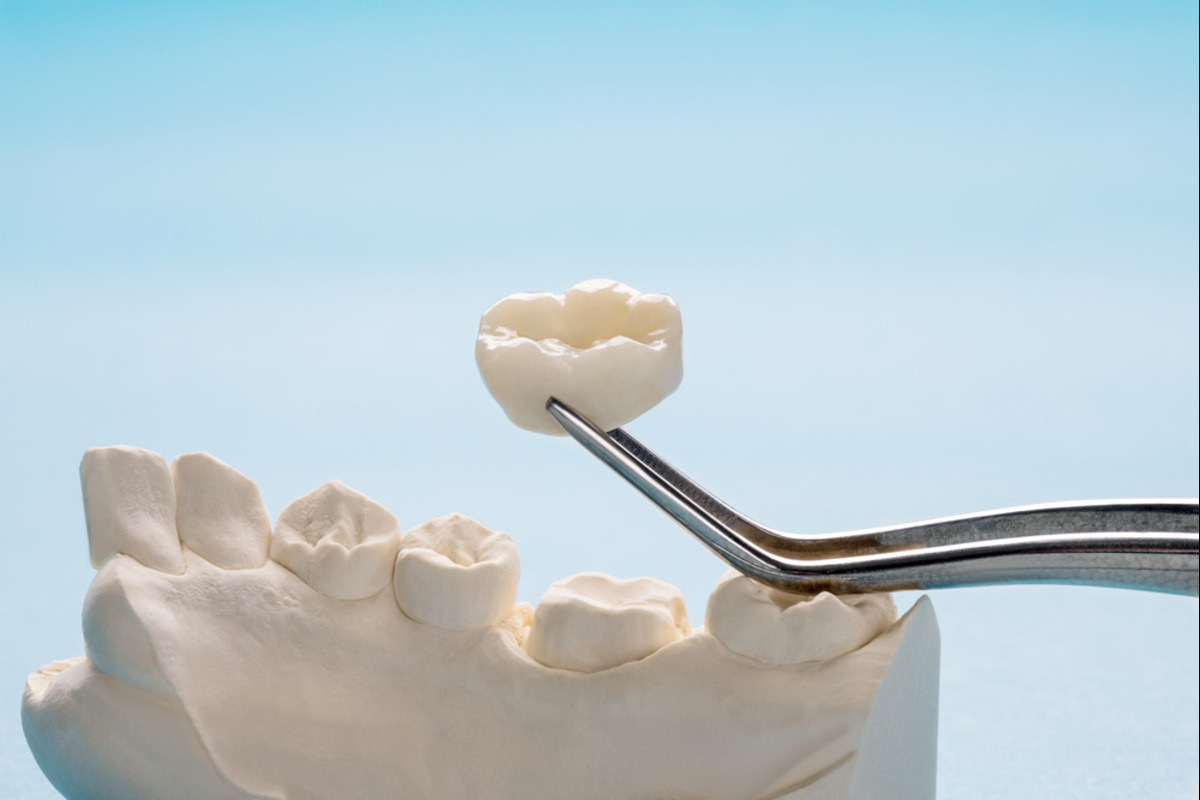
Can a damaged tooth be saved with a dental crown? If you have a weak, cracked, or damaged tooth, you may be wondering whether it can be saved rather than removed. In many cases, the answer is yes. A dentist in Nanaimo can assess the condition of your tooth and recommend treatments that help restore its strength, function, and appearance. One of the most common ways to protect and preserve a damaged tooth is with a dental crown.
Dental crowns are designed to cover and protect damaged teeth. They help restore normal chewing ability and improve the appearance of teeth that have been worn down, cracked, or weakened by decay.
What Is a Dental Crown?
A dental crown is a custom-made cap that fits over an existing tooth. It covers the visible part of the tooth above the gum line and provides additional support.
A crown may be recommended when a tooth:
- Has a large cavity
- Is cracked or fractured
- Has undergone root canal treatment
- Is severely worn down.
- Needs cosmetic improvement
- Supports a dental bridge
The goal is to strengthen the tooth while maintaining natural function.
Why Are Dental Crowns Used?
Many patients considering dental crowns in Nanaimo want to know why crowns are necessary.
Crowns help protect teeth that may not be strong enough to function on their own. Without treatment, weakened teeth can become more damaged and may eventually require extraction.
Common reasons for treatment include:
- Restoring broken teeth
- Protecting weak teeth
- Improving tooth shape
- Covering severe discoloration
- Supporting dental restorations
A crown helps extend the life of a natural tooth whenever possible.
Signs a Tooth May Need a Crown
Certain symptoms may indicate the need for additional protection.
Possible warning signs include:
- Pain when chewing
- Visible cracks
- Large fillings that are failing
- Significant tooth wear
- Tooth sensitivity
- Repeated damage to the same tooth
A dental examination can determine whether a crown is the best option.
What Happens During the Crown Procedure?
The process usually requires two appointments.
First Visit
During the initial appointment:
- The tooth is examined.
- Any decay or damage is removed.
- The tooth is reshaped.
- Impressions are taken.
- A temporary crown is placed.
These impressions are used to create a custom crown that fits comfortably and functions properly.
Second Visit
At the second visit:
- The temporary crown is removed.
- The permanent crown is checked to make sure it fits well.
- Your bite is checked.
- The crown is placed and secured on the tooth.
The final crown is made to fit your tooth comfortably and look natural.
Types of Materials Used for Crowns
If you are considering dental crowns near you, you may wonder about the different types available.
Porcelain Crowns
- Natural appearance
- Blend well with surrounding teeth
- Popular for front teeth
Ceramic Crowns
- Strong and natural-looking
- Metal-free option
- Suitable for many teeth
Metal Crowns
- Very strong and durable
- Resist wear and damage.
- Often used for back teeth.
The best type of crown depends on where the tooth is located and your individual needs.
Benefits of Dental Crowns
Dental crowns in Nanaimo do more than improve the look of your smile.
- Protect Teeth: They help strengthen weak or damaged teeth.
- Make Eating Easier: They help you chew and bite more comfortably.
- Look Natural: They are made to match your natural teeth.
- Last a Long Time: With proper care, crowns can last for many years.
- Help Save Your Tooth: They protect your natural tooth and help keep it in place.
How to Care for a Dental Crown
Taking good care of your dental crown can help it last longer.
Helpful habits include:
- Brushing your teeth twice a day
- Flossing around the crown every day
- Avoiding chewing ice
- Limiting hard foods
- Visiting a dentist near you regularly
Good oral hygiene helps keep both your crown and natural tooth healthy.
How Long Do Dental Crowns Last?
How long a dental crown lasts depends on how well you care for your teeth and crown.
Many crowns last:
- 10 to 15 years
- Sometimes even longer with good care
Regular dental checkups can help find and fix small problems early.
When Should a Crown Be Replaced?
A dental crown may need to be replaced if it becomes worn out or damaged.
Some common reasons include:
- Cracks in the crown
- Loose fit
- Tooth decay beneath the crown
- Gum recession
- Bite changes
Regular dental checkups help make sure your crown stays in good condition.
How Does a Crown Feel After Treatment?
Most patients adjust quickly to their new crown.
It should:
- Feel comfortable
- Allow normal chewing
- Match the surrounding teeth.
- Support daily function
Minor sensitivity may occur at first, but usually improves within a short period.
Protect Your Smile with Lasting Restorative Care!
Saving your natural tooth is often the best option for your oral health. Restorative dental treatments can help repair damaged teeth, improve comfort, and restore normal function. Schedule a consultation to learn about your treatment options and receive personalized dental care from Uplands Dental.
FAQs
Can a dental crown look like a natural tooth?
Yes. Modern dental crowns are made to match the colour, shape, and size of your natural teeth, helping them blend in with your smile.
How long does the crown process take?
Most treatments require two appointments spaced a few weeks apart, depending on the type of crown being created.
Can a crowned tooth still get cavities?
Yes. While the crown itself cannot decay, the natural tooth underneath can still develop cavities if proper oral hygiene is not maintained.
What foods should be avoided after getting a crown?
Very hard foods, ice, and sticky candies should be limited because they may damage or loosen the crown over time.