

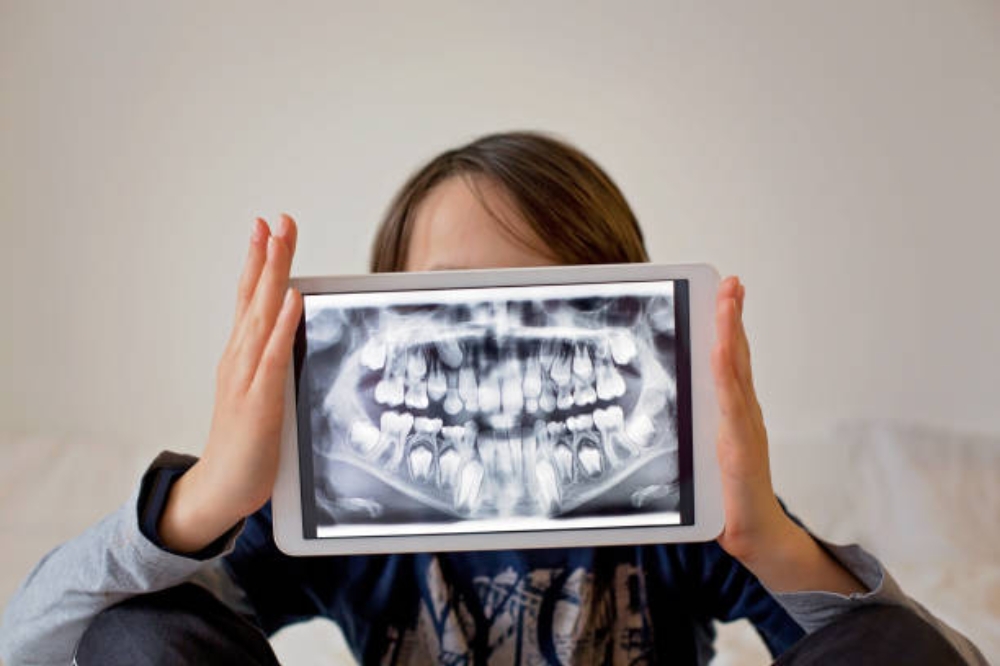
When it comes to oral health, diagnostic tools are critical in early diagnosis and treatment. One such tool is the dental X-ray in Nanaimo. This type of x-ray offers the dentist a view of conditions that the eye cannot perceive from the surface, such as conditions below the gums or interior to teeth. Over the years, technology has developed to replace an antiquated film x-ray-based system with the most up-to-date x-ray technology under a digital imaging system.
You are likely asking, “Is this just a technology upgrade, or does this make a difference?” Choosing between digital X-rays and traditional X-rays is not only based on preference but also on accuracy, safety, and convenience. We will examine the specific differences to allow you to help make an informed decision.
What Makes Digital Dental X-Rays Different from Traditional?
The most obvious difference is in how the image is captured. Traditional dental X-rays utilize film like old-school photographs to capture an image, while digital X-ray systems utilize electronic sensors to capture an X-ray photo, instantly displaying a high-resolution image on a computer screen. This means no waiting for the film to develop and fewer retakes.
A major point is also the radiation exposure to which the patient is subjected. The use of digital x-rays allows exposure to radiation that is up to 80% less than in a film x-ray, and this is a definite benefit to frequent x-ray monitoring for children or those patients being monitored by their dentist in Nanaimo for continuing treatments.
What Are the Main Digital Dental X-Ray Benefits?
Digital dental X-rays provide some benefits:
- Reduced Radiation: Less exposure than with traditional X-rays.
- Fast Results: You see images instantly.
- Great Images: Dentists can easily zoom in and increase contrast to detect more minor problems much earlier than traditional X-rays.
- Eco-friendly: There is no film processing or film waste.
- Convenient to share: If there’s a need for a referral, the files can be safely emailed to a specialist.
All these benefits help your dentist, but they also help to cut down on appointment time, improve comfort level, and work efficiently.
Traditional Dental X-Rays vs Digital – How Do They Compare?
|
Comparison Factor |
Traditional X-Rays |
Digital X-Rays |
|
Radiation Exposure |
Higher |
Lower (up to 80% less) |
|
Image Quality |
Limited resolution |
High resolution, adjustable |
|
Processing Time |
Several minutes |
Instant results |
|
Environmental Impact |
Requires chemicals, waste |
No chemicals, minimal waste |
|
Storage & Sharing |
Physical storage |
Easy digital storage & sharing |
How Do Digital X-rays Improve Diagnosis and Treatment?
Digital images can be enlarged, sharpened, and colour-enhanced like never before, allowing your dentist to catch problems like cavities, bone loss, or hidden infections early, leading to better-tailored treatment plans and a lower chance of missing early warning signs.
Are There Any Downsides to Digital X-Rays?
Though digital systems are far superior to film, some patients find that the electronic sensor feels bulkier and less comfortable than the film. Most people adjust fairly quickly, and this inconvenience is outweighed by the benefits of a digital system.
See the Difference Modern Technology Makes – Visit Us!
Ready to see how the latest digital X-ray technology can make your dental care safer, more accurate, and more comfortable? Book your appointment at Uplands Dental Clinic today and discover the difference advanced technology can make for your smile and overall oral health.
FAQs
Q1. Can digital X-rays show things that traditional X-rays won’t?
Yes. Practically, if the dentist near you needs to detect something he cannot, he can zoom in and change the contrast. This can show early-stage decay or a fracture that film may not have revealed.
Q2. How often do I need a dental X-ray?
It depends entirely on your oral health, age, and risk factors. Some patients have them done every year, while for others, we may only do one every two to three years.
Q3. Are digital dental X-rays safe during pregnancy?
Yes. Digital X-rays use very low radiation. It may be best to mention your pregnancy to your dentist so they can take additional precautions.
Q4. Can my digital X-ray be sent to a specialist?
Absolutely. Digital X-ray files can be sent to a specialist securely within minutes, enhancing communication and reducing delays in your care.
Q5. Will my insurance plan cover digital X-rays?
Most dental insurance plans will cover digital X-rays similar to traditional X-rays; however, it is always best to check with your provider.