

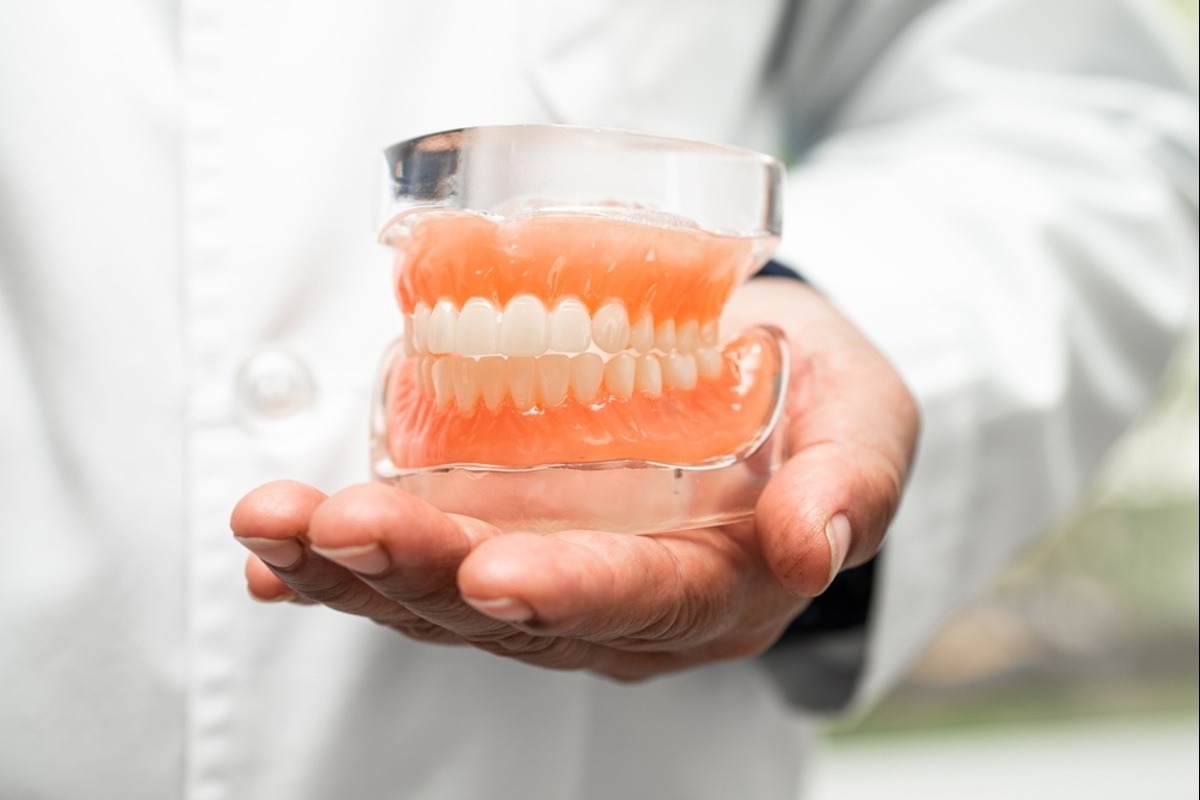
Living with loose dentures can rapidly make everyday tasks difficult and stressful. Chewing favorite foods, speaking clearly, and smiling confidently are all hampered by slipping plates. Sore spots and excruciating inflammation can also result from rubbing against delicate gum tissue over time.
If you are dealing with unstable teeth and searching for an experienced dentist in Nanaimo, knowing your options is the first step toward regaining comfort. When dentures stop fitting properly, your dental provider will evaluate whether a simple reline, a structural repair, or a brand-new set of dentures is the best path forward.
Why Do Dentures Become Loose Over Time?
It is common to wonder why a set of dentures that once fit perfectly begins to slip or feel loose after a few years. The answer usually lies in natural anatomical changes rather than wear on the artificial teeth themselves.
The underlying jawbone no longer gets the necessary functional stimulation from natural tooth roots when natural teeth are absent. Consequently, the bone gradually resorbs or diminishes over time. The stiff acrylic base of your denture stays the same size as your jaw shape gradually changes, resulting in tiny gaps that cause instability and sliding.
The following are some of the factors that lead to ill-fitting dentures:
- Natural Jaw Bone Resorption: Gradual loss of bone height and width over the years.
- Gum Tissue Changes: Natural shifts in soft tissue volume and contour.
- General Wear and Tear: Gradual erosion of the denture base material or worn-down acrylic tooth surfaces.
- Accidental Damage: Micro-fractures or structural drops that alter the original shape of the frame.
Solution 1: Denture Relining
A denture reline is frequently the quickest and least expensive way to restore a snug fit when the artificial teeth and underlying bite alignment are still in good condition.
A reline involves adding fresh acrylic material to the underside of the existing denture base to match the updated contours of your gums.
During a loose denture reline procedure, your provider takes an impression inside your current denture. This precise mold ensures that the new lining fills every tiny gap created by bone loss, restoring tight suction and stability without changing the outer appearance of your smile.
Solution 2: Denture Repair
A repair is required if your denture slips due to a chip, crack, or damaged clasp. Wearing a broken denture can put unequal pressure on your mouth, hastening the loss of local bone and resulting in excruciating tissue ulcers.
- Cracked or Broken Base: Cracks in the acrylic can often be bonded back together using specialized dental resin.
- Chipped or Missing Teeth: Individual artificial teeth can be replaced or reset into the existing pink base.
- Clasp Adjustments: For partial dentures, bent or loosened metal clasps can be carefully realigned or repaired.
It is important never to use household adhesives or DIY kits to fix broken dentures in Nanaimo. Commercial glues contain harmful chemicals and can distort the fit permanently, making professional repair impossible.
Solution 3: Getting a New Set of Dentures
While relines and repairs work wonders for minor fit issues, every prosthetic appliance has a functional lifespan. Most standard dentures need replacing every five to seven years.
Generally speaking, a full replacement is advised when:
- Significant Wear on Teeth: The acrylic teeth have flattened, which causes the face to droop and chew less effectively.
- Severe Jaw Bone Loss: A reline cannot accumulate enough thickness to sustain stability because bone resorption is so widespread.
- Repeated Fractures: The denture base has grown brittle and repeatedly breaks under normal chewing forces.
- Advanced Age: The denture is older than seven years and no longer supports correct jaw alignment or facial muscles.
Advanced computerized fitting techniques guarantee that your replacement teeth fit comfortably, match the proportions of your face, and restore natural chewing function when you see your dentist near you for a new set.
Exploring Alternative Options: Implant-Supported Dentures
Ask your provider about implant-anchored solutions if you wish to completely do away with the need for sticky adhesives and future relines. A permanent anchor for your denture is created by inserting two to four titanium implant posts into the mandible.
Implant-supported options prevent ongoing bone loss, eliminate slipping, and give you maximum biting power for life.
If you are ready to put an end to slipping, discomfort, and irritation, the caring team at Uplands Dental Clinic is here to help you smile with confidence again. Contact Uplands Dental Clinic today to schedule an appointment and discover the best solution for your needs!
Frequently Asked Questions
How long does a denture reline typically take?
Depending on laboratory requirements, the majority of professional denture relines are finished in a single day or overnight.
Can I use over-the-counter glue to fix a broken denture?
No, home glues irreversibly damage the exact fit of your denture base since they contain hazardous chemicals.
How often should dentures be replaced entirely?
For optimal fit and support, dentists often advise changing full dentures every five to seven years.
Will a reline fix dentures that slip constantly?
A reline successfully restores a good fit and comfortable suction by filling in the spaces left by receding gums.