

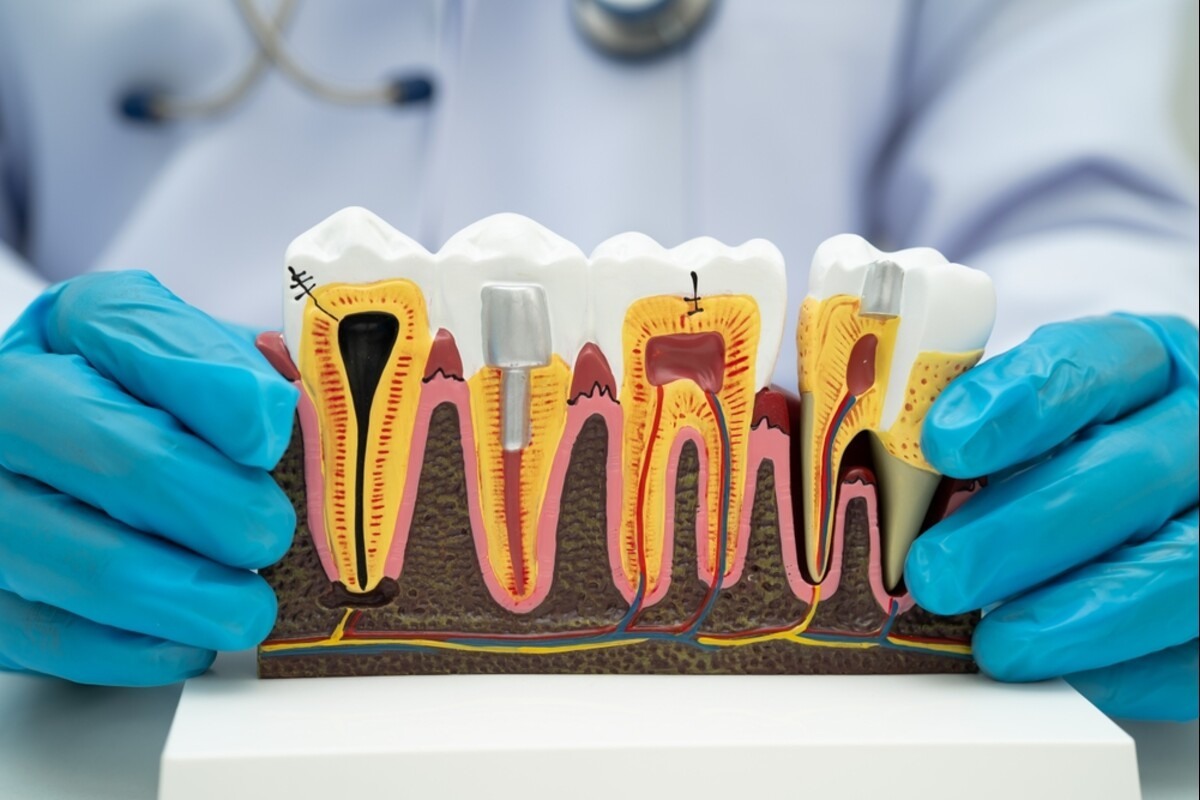
The thought of a root canal can make you nervous, especially if you have heard that the treatment is very painful. In reality, modern dental care is designed to control discomfort during the procedure. The pain from an infected or damaged tooth may sometimes be more noticeable than the discomfort during treatment. Your dentist can examine the tooth, explain what is causing the problem, and discuss what to expect during treatment. If root canal treatment in Nanaimo is recommended, knowing how the procedure works and how discomfort is managed can make the experience easier to understand. Pain levels can vary from one person to another, but severe pain during treatment is not something that should be expected.
Does a Root Canal Hurt?
A root canal is usually performed with local freezing to numb the area around the tooth. This helps prevent you from feeling sharp pain during the procedure. If you are concerned about discomfort, a dentist in Nanaimo can explain what to expect and help ensure you feel comfortable throughout your treatment.
You may notice pressure, movement, or vibration while the tooth is being treated. These sensations are different from pain.
If you feel discomfort during treatment, tell the dental team so the area can be checked and additional freezing can be provided when needed.
Why Does a Tooth Hurt Before a Root Canal?
A tooth may need root canal treatment when the soft tissue inside it becomes inflamed or infected. This can happen because of deep decay, a crack, or an injury.
The tooth may cause:
- A strong or ongoing toothache
- Pain when biting or chewing
- Sensitivity to hot or cold
- Pain that continues after hot or cold food is removed
- Swelling or tenderness around the tooth
Treating the cause of the problem can help prevent the condition from becoming more serious.
What Does Root Canal Treatment Feel Like?
During root canal treatment in Nanaimo, the tooth is first numbed. The damaged or infected tissue inside the tooth is then removed, and the space is cleaned before it is sealed.
You may feel:
- Pressure from dental instruments
- Vibration from equipment
- Mild pressure around the tooth
- Some jaw tiredness from keeping your mouth open
These sensations are generally different from the severe tooth pain that may have brought you in for treatment.
Is There Pain After a Root Canal?
Some soreness can occur after treatment, especially when the tooth is touched or used for chewing. This can happen as the tissues around the treated tooth settle.
The discomfort is often temporary. Your dental professional may recommend appropriate pain relief based on your health and treatment needs.
If pain becomes severe, continues to worsen, or is accompanied by significant swelling, contact your dental provider for advice.
Why Can a Root Canal Sometimes Feel Uncomfortable?
Not every tooth responds to treatment in the same way. The level of discomfort can depend on the condition of the tooth and the tissues around it.
Other factors may include:
- The level of inflammation or infection
- Whether the tooth has been injured
- The location of the tooth
- Your individual sensitivity
- The complexity of the treatment
A dentist near you can assess these factors before treatment and explain what may apply to your specific situation.
Is a Root Canal Worse Than Having the Tooth Removed?
Neither treatment can be described as the same experience for everyone. A root canal is intended to clean and seal the inside of a tooth so the natural tooth can remain in place when it is suitable to save.
Tooth removal takes the whole tooth out. You may need to replace it later, depending on your needs.
The best option depends on the tooth’s condition and your overall oral health.
When Should You Contact a Dentist About Tooth Pain?
Do not wait for severe pain before having a painful tooth checked. Some dental infections can become more serious even when symptoms change or temporarily improve.
A dental professional should assess symptoms such as:
- Persistent tooth pain
- Swelling around the tooth or gums
- Pain when biting
- Prolonged sensitivity
- A damaged or cracked tooth
- A bad taste or drainage near the tooth
Early assessment can help determine whether root canal treatment or another form of care is needed.
Get Clear Guidance for Your Tooth Pain!
Ongoing tooth pain can affect your ability to eat, sleep, and go about your normal day. Finding the cause early can help you understand whether the tooth needs a root canal or another type of dental treatment. A proper examination can also help you learn what to expect and how the condition can be managed.
Book an appointment with Uplands Dental Clinic for a thorough assessment of your tooth, answers to your questions, and clear guidance about the treatment options that may be right for you.
FAQs
Will I be awake during a root canal?
Yes. A root canal is usually performed while you are awake, with the treatment area numbed using local freezing. You can communicate with the dental team throughout the procedure.
How long does pain last after a root canal?
Mild soreness may occur for a few days after treatment. The exact recovery time varies, and increasing or severe pain should be discussed with a dental professional.
Can a root canal fail to remove the pain?
Root canal treatment is intended to remove the infected or damaged tissue causing the problem, but discomfort can have other causes. Persistent symptoms need a dental assessment.
Can I eat normally after a root canal?
Eating instructions depend on whether the tooth has received a temporary or final restoration. It may be helpful to avoid chewing hard foods on the treated tooth until advised otherwise.