

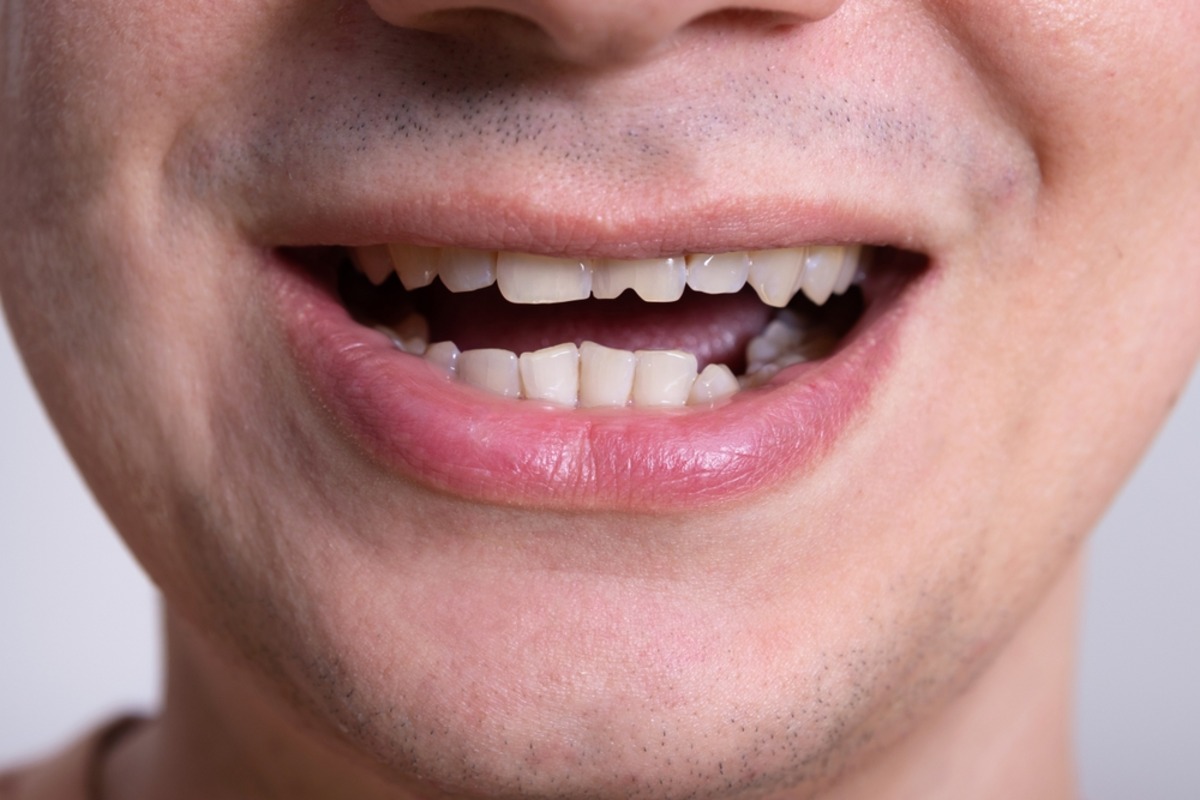
Many people visit a dentist in Nanaimo because they feel sudden tooth pain or discomfort while chewing. Sometimes the cause is a cracked tooth. At first, a crack may seem small and harmless. But over time, it can become more serious if not treated. A cracked tooth does not always look damaged from the outside. That is why it is important to understand the warning signs and know when to seek help.
What Causes a Tooth to Crack
Teeth are strong, but they are not unbreakable. Cracks can happen for many reasons.
- Biting down on hard foods like ice or nuts
- Grinding or clenching teeth
- Sudden injury or accident
- Large fillings that weaken the tooth
- Changes in temperature, like hot and cold foods
Even normal daily use can sometimes lead to small cracks over time.
Common Tooth Crack Signs
It is not always easy to see a crack, but your body may give you clues. Some common tooth crack signs include:
- Sharp pain when chewing
- Pain that comes and goes
- Sensitivity to hot or cold
- Swelling around the tooth
- Discomfort when releasing your bite
Pain may not be constant. It may only happen when you bite in a certain way.
Why Cracks Can Get Worse
A small crack can grow deeper if left untreated. Every time you chew, pressure is placed on the tooth. This pressure can slowly widen the crack. If bacteria enter the crack, infection can develop. That is when a cracked tooth becomes serious. Infection may spread to the pulp, which is the soft tissue inside the tooth.
Signs the Crack Is Worsening
You may notice changes if the crack is getting worse.
- Pain becomes more frequent
- The tooth feels weaker
- You notice swelling in the gums
- There is constant sensitivity
- The tooth darkens in colour
If pain becomes steady instead of occasional, it is important to visit a dental clinic near you as soon as possible.
When a Cracked Tooth Becomes Serious
A crack becomes serious when it reaches the inner part of the tooth. This can lead to infection, abscess, or even tooth loss.
Warning signs include:
- Throbbing pain
- Pus or bad taste in the mouth
- Fever
- Swollen face or jaw
- Pain that wakes you at night
These symptoms mean the crack may have reached the nerve.
Different Types of Tooth Cracks
Not all cracks are the same. Some are minor, while others are more severe.
- Fractured cusps affect the chewing surface.
- Cracked teeth extend deeper but may still be saved.
- Split teeth are separated into parts and are harder to treat.
- Vertical root fractures start at the root and move upward.
A proper exam is needed to know the type of crack.
Tooth Crack Treatment Options
Treatment depends on how deep the crack is. There are several tooth crack treatment options available.
For small cracks:
A dental bonding or filling may repair the damage.
For moderate cracks:
A dental crown can cover and protect the tooth.
If the nerve is affected:
Root canal treatment may be needed to remove infection and save the tooth.
If the crack is severe:
Extraction may be necessary if the tooth cannot be saved.
The sooner treatment begins, the better the outcome.
Why Early Care Matters
Ignoring a cracked tooth can lead to more complex problems. Early care may prevent infection and reduce the need for major treatment.
Visiting a dental clinic near you Nanaimo when you first notice symptoms can help protect the tooth before it worsens.
How Dentists Detect Cracks
Cracks are sometimes difficult to see with the naked eye. Dentists use special tools to check.
They may:
- Shine a light on the tooth
- Use dental dye to highlight cracks
- Take X-rays
- Ask you to bite on a small tool to locate pain
A careful exam helps determine the right plan.
How to Prevent Further Damage
While waiting for your appointment, there are steps you can take.
- Avoid chewing on the affected side
- Do not eat hard foods
- Avoid extreme hot or cold drinks
- Keep the area clean
- Wear a night guard if you grind your teeth
These small steps may reduce further stress on the tooth.
When to Seek Immediate Help
Get help right away if you notice:
- Severe tooth pain
- Swelling in your face
- Signs of infection
- Trouble opening your mouth
These are signs that you need care as soon as possible.
Protect Your Smile Today
A cracked tooth may start small, but it can become serious if ignored. Acting early protects your smile and prevents complications. Uplands Dental Clinic is here to provide careful exams and clear treatment plans. Book your visit today and take a simple step toward keeping your teeth strong and healthy.
Frequently Asked Questions
Can a cracked tooth heal on its own?
No. A crack will not heal naturally and usually requires dental treatment.
Is a cracked tooth always painful?
Not always. Some cracks cause little or no pain at first.
How quickly should I see a dentist?
As soon as you notice symptoms like pain or sensitivity.
Can a crown fix a cracked tooth?
Yes, in many cases, a crown can protect and strengthen a cracked tooth.